

1. How to read this page
Modafinil is routinely called well tolerated, and set against older stimulants that label is fair. Under medical supervision, most people either notice nothing or notice something mild that passes.
Well tolerated is a claim about how often something happens, though, not about how bad it can be. A short list of modafinil warnings is genuinely severe: reactions that occur rarely but can kill, and reproductive risks that pushed several regulators into outright contraindication. Those sit in the same drug label as a long tail of forgettable complaints.
The reason to keep the two apart is that they demand opposite responses. A headache in week one is expected and usually fades. A rash in week three is treated as an emergency until a clinician says otherwise. Most consumer coverage blends the categories into one general reassurance, which is precisely the wrong shape for this drug. This page keeps them separate.
2. Common side effects
These are the effects that turn up most often in trials and in postmarketing reporting. The majority scale with dose, most fade over the first week or two, and most do not call for stopping treatment.
Ordered by how often each effect turns up in trial and postmarketing reporting. The bars are indexed against headache, the most frequently reported effect, rather than plotted as incidence rates.
- HeadacheVery common
- NauseaVery common
- Nervousness or agitationCommon
- Insomnia with late dosingCommon
- DizzinessCommon
- Reduced appetiteCommon
- Palpitations or raised heart rateLess common
- Serious skin or hypersensitivity reactionRare
Frequency and severity move in opposite directions here. The rarest reactions on this chart are the ones that require stopping the drug the same day.
Very common
Headache leads by a wide margin, affecting a sizeable minority of users. It is usually worst in the opening days and softens with continued dosing, and it tends to track with dose size.
Nausea comes second, often arriving alongside the headache and following the same arc.
Common
- Nervousness, anxiety or agitation, often described as feeling wired. Worse at higher doses and in people who are anxious to begin with.
- Insomnia and disturbed sleep, which is mostly a scheduling problem rather than a drug problem. With a half life near 12 to 15 hours, a dose taken in the afternoon is still working at bedtime. This is how the classic self inflicted modafinil issue develops: sleep debt quietly stacking up beneath a feeling of alertness.
- Dizziness
- Dry mouth
- Suppressed appetite, and weight loss over longer stretches. Worth watching in anyone with a history of disordered eating or where losing weight would be unwelcome.
- Diarrhoea or general stomach upset
- Back pain
- Rhinitis, meaning a blocked or running nose, reported fairly often in trials
Less common, though not rare
- Palpitations or an unusual awareness of the heartbeat
- Faster heart rate
- Raised blood pressure
- Chest discomfort
- Tremor
- Tingling sensations
- Blurred vision
- Confusion or trouble concentrating, which does happen in some users
- Irritability
- Unusual thirst
3. Serious adverse reactions
This section covers the warnings that explain why modafinil is prescription only. They are rare. They are also the reason no regulator sells it over the counter.
Severe skin reactions
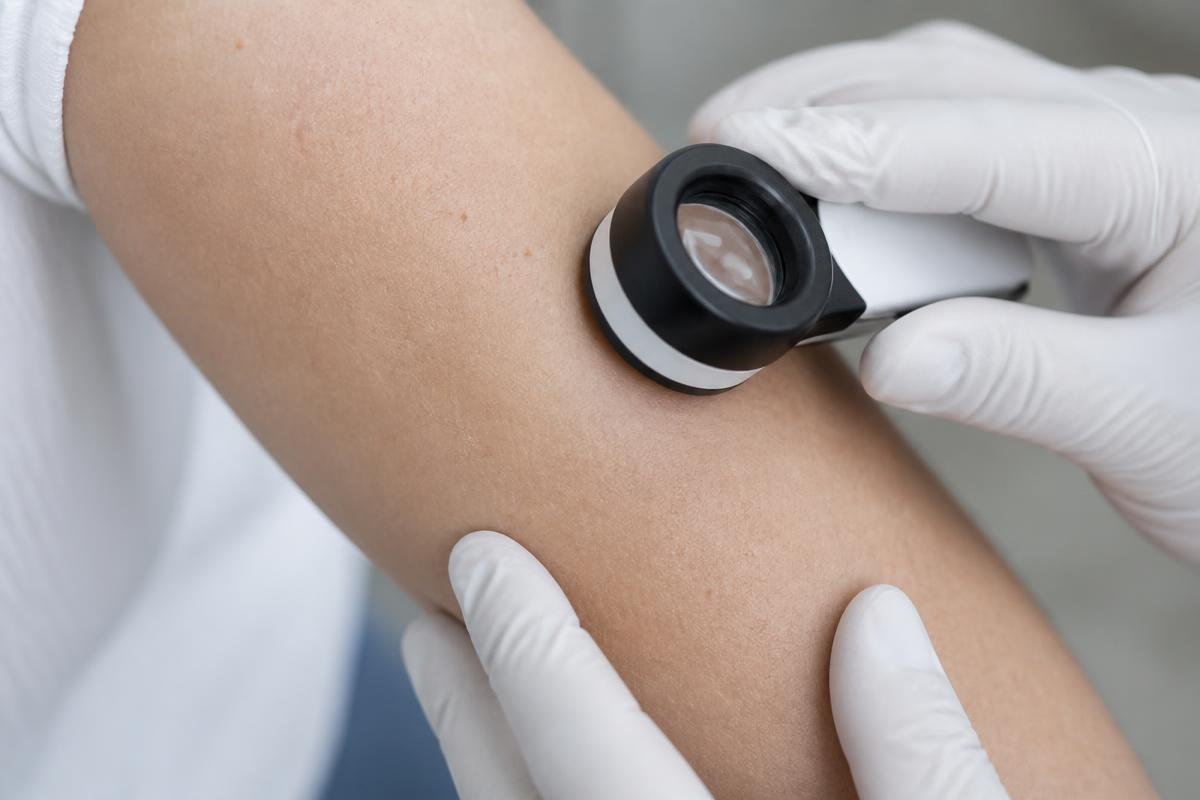
This is the most important acute warning attached to modafinil, and the one least understood by people using it outside a prescription. Postmarketing surveillance has recorded three reactions in particular.
- Stevens Johnson syndrome (SJS). Skin and mucous membranes blister and separate. It usually opens with flu like symptoms before a painful, spreading rash appears.
- Toxic epidermal necrolysis (TEN). The same process at greater severity, detaching larger areas of skin. Mortality stays meaningful even with intensive care.
- DRESS syndrome. A drug reaction with eosinophilia and systemic symptoms, capable of involving liver, kidneys, heart or lungs alongside fever and rash. Onset typically falls two to eight weeks after starting a drug, later than most people assume an allergy can appear.
Deaths linked to drug hypersensitivity, DRESS included, appear in postmarketing data for armodafinil. Regulatory history reflects how seriously this is taken: a paediatric application for modafinil was refused by the FDA in 2006, partly because of a confirmed Stevens Johnson case during trials.
Days 1 to 3
Headache and nausea peak
Week 1 to 2
Most common effects settle or fade
Week 2 to 8
Window in which DRESS and severe rash have been reported
Month 1 onward
Sleep debt and psychological reliance accumulate
Hypersensitivity reactions can start later than most people expect an allergy to appear, which is why a rash in week three still counts as drug related until assessed.
Angioedema and anaphylaxis
Severe hypersensitivity has been reported, including angioedema, which is deep swelling usually of the face, lips, tongue or throat, and anaphylaxis. Several jurisdictions have amended labelling to cover angioedema and anaphylactoid reactions alongside the skin warnings. Swelling of the throat or tongue, trouble breathing, or trouble swallowing after a dose is an emergency.
Multi organ hypersensitivity
Hypersensitivity can extend past the skin and involve several organ systems at once, sometimes presenting with fever and organ involvement and no notable rash. Watch for unexplained fever, heavy fatigue, dark urine, yellowing of the skin or eyes, or breathlessness.
4. Pregnancy and reproductive safety
This is the biggest change to modafinil's safety record in the past decade, and there is a real gap between the conclusion reached by regulators outside the United States and what US labelling has historically said.
Data from the US Nuvigil and Provigil Pregnancy Registry, combined with spontaneous postmarketing reports, produced a signal that use during pregnancy is suspected of causing congenital malformations. The specific patterns flagged were congenital heart defects, hypospadias and orofacial clefts.
- Prospective pregnancy cases identified78
- Reported live births61
- Live births with major congenital anomalies9
Registry data cannot establish causation on its own, which is why regulators describe the malformation risk as suspected rather than proven. Several of them still moved to contraindication.
A European case series also pointed to a dose related reduction in birth weight and head circumference among exposed newborns, though how clinically meaningful that is remains unclear and confounding cannot be ruled out. Animal work showed developmental toxicity and fetal death at doses relevant to human use.
| Authority | Action | Date |
|---|---|---|
| EMA (Europe) | Labelling updated to state malformations are suspected and the drug should not be used in pregnancy | April 2019 |
| Health Canada | Alertec contraindicated for women who are pregnant or could become pregnant | June 2019 |
| Ireland (HPRA) | Labelling update plus a letter to healthcare professionals | June 2019 |
| MHRA (UK) | Not to be used in pregnancy; effective contraception required during treatment and for two months after stopping | 2019 to 2020 |
| Australia (TGA) | Contraindicated in pregnancy | 2019 |
The FDA has been the outlier. On the most recent available information, US labelling did not contraindicate modafinil in pregnancy the way European, Canadian, UK and Australian labelling does. Public Citizen petitioned the agency to require contraindication for both modafinil and armodafinil, pointing out that the registry data behind the signal was collected in the United States. In practice that means someone reading only the US package insert may be working from weaker warnings than every comparable regulator considers appropriate.
Because of all this, regulators that require contraception during treatment specify an effective non hormonal method, which connects directly to the interaction covered next and is why that interaction matters more than its modest percentage implies.
5. Drug interactions
Modafinil is a substrate of hepatic CYP3A4, a moderate inducer of CYP3A4 and CYP3A5, and a weak inhibitor of CYP2C19. That combination produces a genuine interaction profile rather than a theoretical one.

Hormonal contraception, the interaction that matters most
CYP3A4 induction speeds up clearance of ethinyl estradiol by roughly 18%, enough to pull contraceptive efficacy below the level needed for dependable pregnancy prevention. Prescribing information advises an alternative or additional method throughout treatment and for a month after the last dose, that month reflecting how long enzyme activity takes to return to baseline. UK guidance sets the window at two months.
An 18% shift in clearance reads as small on its own. It is not small in context. Modafinil weakens contraception and is separately suspected of causing major congenital malformations, and those two facts compound each other rather than sitting politely side by side. This is the interaction most worth raising with a prescriber, and the one most often skipped in informal use. Reporting data on CYP3A4 inducers and contraceptive failure suggests exposure varies by delivery route, with combined oral products and implants appearing more vulnerable than intrauterine or vaginal options.
Enzyme induction lowers exposure to some co prescribed drugs while weak CYP2C19 inhibition raises others. Bars run left for a reduction and right for an increase.
- CyclosporineAround 50% lower exposure
- Ethinyl estradiolAround 18% faster clearance
- WarfarinBleeding risk, monitor INR
- PhenytoinNarrow therapeutic index
- DiazepamAdditive sedative load
- OmeprazoleCYP2C19 substrate
| Direction | Drugs involved | Why it matters |
|---|---|---|
| Modafinil may lower levels | Cyclosporine, steroidal contraceptives, other CYP3A4 substrates, CYP1A2 and CYP2B6 substrates | Cyclosporine exposure can drop by about half, carrying graft rejection risk in transplant recipients |
| Modafinil may raise levels | Warfarin, phenytoin, diazepam, omeprazole, some tricyclics and SSRIs, propranolol | Largely via CYP2C19 inhibition; bleeding risk with warfarin and toxicity risk with phenytoin |
| Drugs that lower modafinil | Rifampin, phenytoin, carbamazepine, St John's Wort, efavirenz | CYP3A4 induction reduces modafinil exposure |
| Drugs that raise modafinil | Ketoconazole, itraconazole, erythromycin and other CYP3A4 inhibitors | Higher modafinil exposure and more pronounced effects |
Alcohol, caffeine and other stimulants
No formal contraindication exists for alcohol, but the pairing is unwise for a simple reason: modafinil suppresses the feeling of tiredness without reducing intoxication or impairment, so people misread their own state. Stacking caffeine or other stimulants adds cardiovascular load, raising heart rate, blood pressure and anxiety without adding benefit, and total stimulant intake is easy to underestimate when coffee is not being counted.
Review checklist
Anyone taking the following should have their regimen reviewed by a prescriber before and during modafinil treatment: hormonal contraception of any type, warfarin or other anticoagulants, cyclosporine or other immunosuppressants, phenytoin, carbamazepine or other anticonvulsants, benzodiazepines, SSRIs, SNRIs or tricyclic antidepressants, proton pump inhibitors, antiretrovirals, and beta blockers.
6. Psychiatric effects
Postmarketing reports include psychosis, mania and suicidal ideation, in adults and in children. These outcomes are uncommon but severe, and risk appears higher where any of the following apply.
- Personal or family history of psychosis
- Bipolar disorder, where stimulant class drugs can trigger mania
- Previous psychiatric reaction to a stimulant
- Concurrent stimulants or heavy caffeine intake
- Significant sleep deprivation, which raises psychosis risk on its own and is common in exactly the group using modafinil to stay awake longer
Milder complaints such as anxiety, irritability, emotional flatness or a sense of reduced spontaneity come up frequently in user reports and are thinly covered in formal research. Any paranoia, hallucination, unusual elevation in mood or energy, disorganised thinking or suicidal thought should prompt immediate discontinuation and medical review.
7. Cardiovascular safety
Modafinil has been linked with higher heart rate and higher blood pressure. In practice that translates into a few concrete positions: it is not recommended where hypertension is uncontrolled, blood pressure is worth monitoring even in people whose hypertension is treated and stable, since antihypertensive doses have needed adjusting in some patients, and closer monitoring is advised in cardiovascular disease, recent myocardial infarction, unstable angina, mitral valve prolapse syndrome or left ventricular hypertrophy.
New chest pain, marked palpitations, breathlessness or other cardiac symptoms warrant stopping and getting a cardiac assessment. The cardiovascular profile is gentler than that of amphetamines, but for someone taking it purely for productivity the honest comparison is against taking no sympathomimetic at all.
8. Dependence, tolerance, and withdrawal
Modafinil sits in Schedule IV in the United States, a classification that acknowledges real potential for abuse and dependence while placing it below Schedule II stimulants.
Its abuse liability is genuinely lower than that of amphetamines, and two features are usually credited: it occupies the dopamine transporter in a different conformation than cocaine like inhibitors, and it comes on slowly, with speed of onset being a well established driver of how reinforcing a compound is. Lower is not none, though. Human self administration studies show reinforcing effects, the Physicians' Desk Reference records psychoactive and euphoric effects of the sort CNS stimulants produce, and the argument over abuse potential has not been settled.
For most users the realistic risk is psychological rather than physical, especially among people dosing daily for work output rather than for a diagnosed sleep disorder. The pattern worth catching early is a creeping belief that unmedicated work is impossible or not worth starting. That is functional dependence even with no physical withdrawal attached.
Formal evidence of pharmacological tolerance is thin, and some clinical data suggests efficacy holds up over extended treatment in sleep disorders. Reports of fading subjective effects are common but confounded by expectation and by accumulated sleep debt. Stopping does not produce a dangerous withdrawal syndrome of the kind seen with benzodiazepines or alcohol. What people usually meet is their baseline tiredness returning, which can land hard when the drug has been propping up a sleep deprived schedule, along with low mood and poor concentration for a while.
9. Who should not take modafinil
| Category | Applies to |
|---|---|
| Absolute or near absolute | Known hypersensitivity to modafinil or armodafinil; any prior serious skin reaction to either; pregnancy, contraindicated in Canada, the UK, the EU and Australia; women of childbearing potential not using effective non hormonal contraception, per EU, UK and Canadian guidance |
| Caution and specialist input | Uncontrolled hypertension; cardiovascular disease, recent myocardial infarction, unstable angina, mitral valve prolapse or left ventricular hypertrophy; history of psychosis, bipolar disorder or mania; history of substance use disorder; severe hepatic impairment, where dose reduction applies; renal impairment; older adults, with lower dosing and closer monitoring; breastfeeding, since passage into human milk is unknown; children and adolescents, not FDA approved following the 2006 rejection |
10. Long term safety: what is not known
An honest safety page needs this section, because the gaps map directly onto how the drug actually gets used. Most trials ran for weeks or months, in people with diagnosed sleep disorders, under supervision. The typical off label user is a healthy adult dosing intermittently or daily across years with nobody monitoring anything. That population has never been studied systematically.
- Chronic dopaminergic modulation. Long term neurological effects in healthy brains are poorly characterised. Use since the 1990s has not thrown up a clear harm signal, which is encouraging without amounting to positive evidence of safety.
- Developing brains. Off label use is common among students, including people under 25 whose prefrontal development is still underway. There is essentially no data here.
- Accumulated sleep debt. Modafinil removes the sensation of sleepiness without replacing what sleep does. Using it to extend waking hours means sustained sleep restriction, which carries well documented cardiovascular, metabolic, immune and cognitive costs. This may be the most underappreciated long term risk on the page, and it belongs to the usage pattern rather than the molecule.
- Masked sleep disorders. Using a wakefulness agent to paper over sleepiness caused by something undiagnosed, sleep apnoea being the usual case, can delay diagnosis of a condition already doing cardiovascular damage.
11. Warning signs that require immediate medical attention
Stop modafinil and seek emergency care for
- Any rash, especially with fever, blistering, mouth, eye or genital involvement, or skin pain
- Swelling of the face, lips, tongue or throat
- Difficulty breathing or swallowing
- Chest pain, severe palpitations or fainting
- Hallucinations, paranoia, severe confusion or disorganised thinking
- Suicidal thoughts
- Yellowing of the skin or eyes, dark urine, or severe unexplained fatigue, which can indicate liver involvement
- Unexplained fever with malaise, even without a rash
12. Frequently asked questions
What is the most common side effect of modafinil?
Headache, well ahead of anything else. It usually shows up in the first few days, tracks with dose, and eases for most people as treatment continues.
Is modafinil safe long term?
The drug has been prescribed since the 1990s without a clear long term harm signal, which is reassuring. What is missing is data on healthy adults taking it off label for years, and the largest long term risk may be the chronic sleep restriction the drug makes possible rather than the molecule itself.
Should I stop modafinil if I get a rash?
Yes. Stop at the first sign of a rash and get it assessed. Stevens Johnson syndrome, toxic epidermal necrolysis and DRESS have all been reported, and early on a serious reaction looks identical to a harmless one, so waiting is the risk.
Does modafinil affect birth control?
Yes. Modafinil induces CYP3A4 and speeds up clearance of ethinyl estradiol by roughly 18%, which can undercut contraceptive reliability. Labelling advises an alternative or additional method during treatment and for a month afterwards, with UK guidance extending that to two months.
Can modafinil cause anxiety?
Yes. Nervousness, restlessness and agitation are among the more frequently reported effects, and they are worse at higher doses, in people already prone to anxiety, and when caffeine or other stimulants are stacked on top.
Is modafinil addictive?
Its abuse liability sits below that of amphetamines, attributed to weaker transporter binding, a different binding conformation and slower onset. It is not zero. Self administration studies in humans show reinforcing effects and the drug is Schedule IV in the United States.
Can I drink alcohol on modafinil?
There is no formal contraindication, but it is a poor idea. Modafinil hides the feeling of being tired without reducing actual impairment, so people misjudge how affected they are.
Does modafinil interact with antidepressants?
It can. Weak CYP2C19 inhibition can raise levels of some SSRIs and tricyclics in susceptible patients, so the combination should be reviewed by a prescriber.
How long do modafinil side effects last?
Headache and nausea are usually loudest in the first days and fade across one to two weeks. Insomnia is mostly a timing issue, since a 12 to 15 hour half life means an afternoon dose is still working at bedtime. Serious reactions need medical attention whenever they appear.
13. References
- Modafinil, StatPearls, NCBI Bookshelf
- Modafinil Monograph for Professionals, Drugs.com
- MHRA Drug Safety Update: Modafinil and risk of congenital malformations, November 2020
- Direct Healthcare Professional Communication: Modafinil, potential risk of congenital malformations during pregnancy, January 2020
- Health Canada: ALERTEC (modafinil) and the Risk of Congenital Anomalies, June 2019
- Public Citizen: Petition to the FDA to require contraindicating use of modafinil and armodafinil during pregnancy
- Oregon State Drug Use Research and Management: Modafinil and Armodafinil Safety Review
- Damkier P, Broe A. First trimester pregnancy exposure to modafinil and risk of congenital malformations, 2020
- Zolkowska D, et al. Evidence for the involvement of dopamine transporters in behavioral stimulant effects of modafinil. J Pharmacol Exp Ther. 2009;329(2):738 to 746
- Comparison of contraceptive failures associated with CYP3A4 inducing drug interactions by route of hormonal contraceptive, FAERS analysis
- Physicians' Desk Reference, 2006, modafinil entry